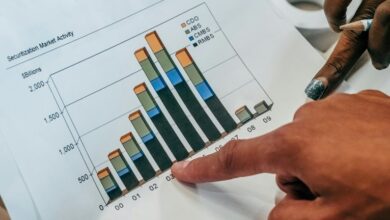
Enhanced Analytics Report on 609226582, 41036030, 6946500446, 685079551, 900103721, 77559200


The Enhanced Analytics Report presents a detailed examination of six critical data points: 609226582, 41036030, 6946500446, 685079551, 900103721, and 77559200. Utilizing advanced analytical techniques, the report reveals significant trends and performance metrics. These insights are essential for stakeholders aiming to navigate a complex economic landscape. However, the implications of these findings extend beyond mere observation, prompting a deeper exploration of their strategic relevance across various sectors.
Overview of Data Points
The landscape of data points serves as a crucial foundation for understanding trends and deriving insights within the enhanced analytics report.
Analyzing these data trends reveals significant correlations among performance metrics, enabling stakeholders to identify strengths and weaknesses.
Analytical Techniques Employed
Numerous analytical techniques have been employed to extract actionable insights from the data sets within the enhanced analytics report.
Key methods include data visualization, which facilitates intuitive understanding of complex information, and predictive modeling, enabling forecasts based on historical trends.
These techniques collectively enhance the analytical rigor of the report, providing a robust framework for informed decision-making and strategic planning.
Key Findings and Insights
Analytical techniques utilized in the report have yielded significant findings that shed light on key trends and patterns within the data.
Notably, distinct data trends emerged, indicating variations in performance metrics across the analyzed entities.
These insights highlight the importance of continuous monitoring and evaluation, as they provide a comprehensive understanding of performance dynamics, ultimately guiding strategic decision-making for enhanced operational effectiveness.
Implications for Various Sectors
While the findings from the enhanced analytics report provide a robust framework for understanding performance dynamics, their implications extend across various sectors, influencing strategic initiatives and operational frameworks.
The identified data trends reveal significant sector impacts, driving economic effects that resonate through industry applications.
Stakeholders must adapt to these insights to harness opportunities and mitigate risks, ultimately fostering a more resilient economic landscape.
Conclusion
In conclusion, the Enhanced Analytics Report serves as a lighthouse, illuminating the intricate pathways of performance metrics across diverse sectors. The data points, akin to stars in a vast economic sky, reveal patterns and insights that guide stakeholders through uncertainty. By harnessing advanced analytical techniques, organizations can navigate potential risks and seize opportunities, fostering resilience. Ultimately, this data-driven approach not only enhances decision-making but also cultivates a landscape where informed strategies flourish amidst the tides of change.