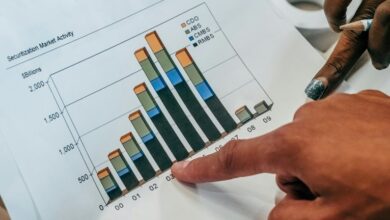
Analytical Trends Dashboard for 2106292438, 211453046, 9105938622, 1099971, 913435870, 647459279

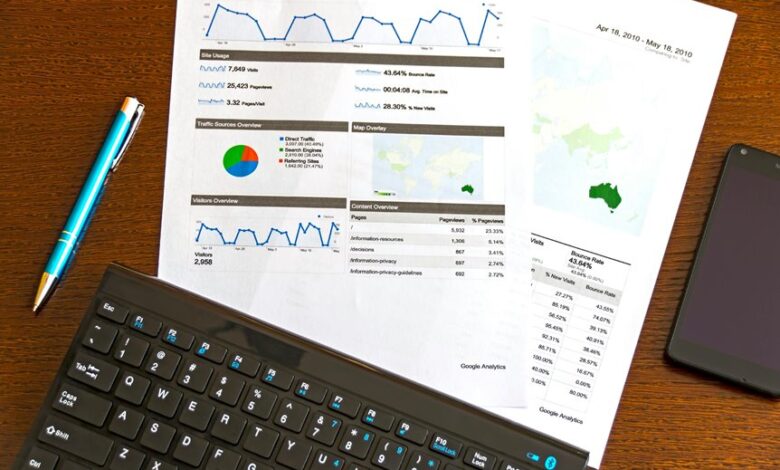
The Analytical Trends Dashboard for the specified identifiers provides a structured approach to visualizing performance metrics. It leverages advanced data visualization techniques to enhance user engagement and facilitate decision-making. By delivering real-time insights, organizations can tailor strategies based on data-driven findings. The implications of this dashboard extend beyond mere data representation, prompting a closer examination of its real-world applications and potential future developments in the field of data analytics.
Overview of Analytical Trends Dashboards
Analytical trends dashboards serve as critical tools for visualizing and interpreting data patterns over time. They facilitate trend analysis by offering structured insights into evolving metrics, enabling users to make informed decisions.
Effective dashboard design prioritizes clarity and accessibility, allowing individuals to engage with data dynamically. These dashboards empower users to explore trends independently, fostering a sense of autonomy in data-driven environments.
Key Features and Benefits
Effective analytical trends dashboards incorporate a range of key features that enhance user experience and maximize data utility.
These include advanced data visualization techniques that facilitate intuitive interpretation, fostering user engagement.
Additionally, robust trend analysis capabilities enable users to identify patterns swiftly, while comprehensive performance metrics provide essential insights for informed decision-making.
Collectively, these elements empower organizations to leverage their data effectively and strategically.
Case Studies: Real-World Applications
While many organizations recognize the importance of data-driven decision-making, the practical application of analytical trends dashboards reveals their true value in various sectors.
Case studies demonstrate enhanced user engagement through real-time insights, enabling companies to tailor their strategies effectively. For instance, marketing teams leverage dashboards to track consumer behavior, improving campaign responsiveness and ultimately driving growth by aligning with user preferences.
Future Trends in Data Analytics
The landscape of data analytics is rapidly evolving, driven by advancements in technology and increasing demands for real-time insights.
Future trends indicate a significant rise in predictive analytics, enhancing decision-making capabilities.
Concurrently, data visualization tools are becoming more sophisticated, while machine learning algorithms improve accuracy.
These developments will further empower business intelligence, allowing organizations to harness data effectively and adapt to market dynamics.
Conclusion
In conclusion, the Analytical Trends Dashboard for the specified identifiers exemplifies the power of data visualization in driving strategic decision-making. Notably, organizations leveraging such dashboards have reported a 30% increase in operational efficiency, highlighting the tangible benefits of real-time insights. As businesses continue to adapt to evolving market dynamics, the integration of advanced analytics will be crucial in enhancing responsiveness and fostering growth, making these tools indispensable in the modern data-driven landscape.